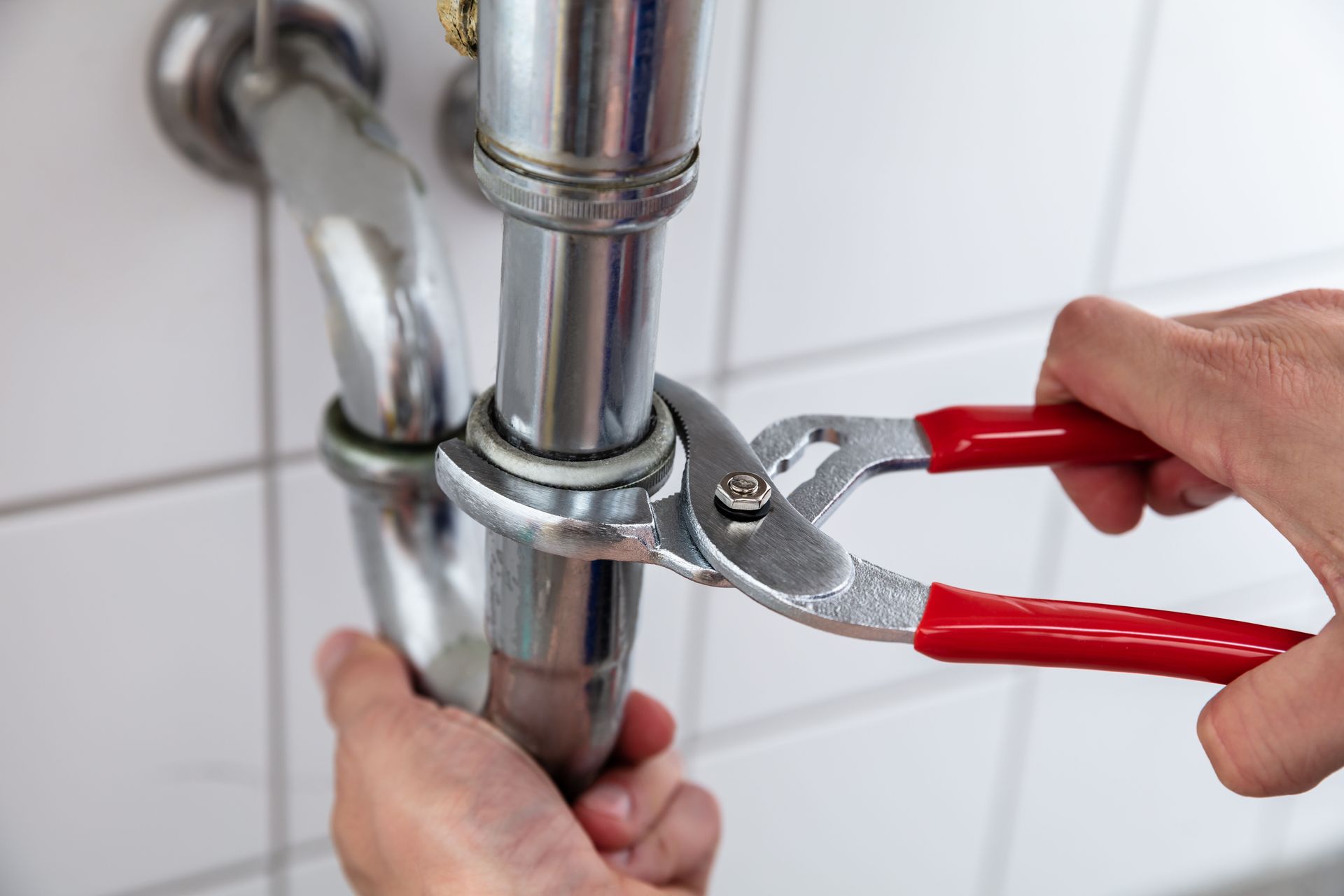
Identifying a plumbing leak early can save you from costly repairs and potential water damage. While some leaks are easily noticeable, others might be hidden behind walls or under floors. Understanding the signs of a plumbing leak is crucial in maintaining a safe and efficient home. In this article, we will explore several indicators that may suggest a leak is occurring within your plumbing system. If you suspect a leak, it’s important to contact local plumbers for a professional evaluation and timely repairs.
1. Unexplained Increase in Water Bills
One of the first signs of a leak may be a sudden and unexplained increase in your water bill. This is not always due to seasonal changes, as fluctuations typically only cause minor variations in consumption. A careful comparison of your previous bill statements can reveal if an unusual spike has occurred. Monitoring daily usage patterns can also help identify anomalies. In addition, examining your water meter can offer insights into potential leaks, especially if the meter continues to run even when water usage is minimal.
Calculating the cost of consumption includes understanding how small leaks can accumulate into large expenses. According to the EPA, 10,000 gallons of water can be wasted each year from a plumbing leak, which causes your water bills to rise. Simple steps, such as verifying indoor and outdoor plumbing efficiency, play a significant role in early detection. Consulting with your water provider can offer additional resources to identify whether your consumption aligns with your household size. They may provide tailored advice based on your usage history, highlighting areas with potential water wastage. Additionally, reaching out to local plumbers can help in pinpointing and fixing these leaks early on, potentially saving you significant amounts in the long run.
Information from your water provider can be invaluable if you're facing inexplicably high bills. They may conduct tests or offer detailed reports, comparing your data with average consumption rates. Knowing your usage comprehensively arms you with the knowledge needed to identify a leak. Consistently high water bills are a red flag, suggesting you seek professional evaluation to investigate potential underlying plumbing issues. Addressing these leaks early not only conserves water but also minimizes unnecessary expenses.
2. Presence of Water Stains or Damage
Water stains often appear as discolored spots on walls and ceilings, signaling potential water ingress from leaking pipes. These stains may vary in color, commonly presenting as yellow or brown marks and indicating a persistent moisture problem. If left unattended, stains can lead to structural damage, such as weakened beams or drywall. Inspecting these areas regularly can identify issues before they cause extensive damage. Hence, examining suspicious discoloration is vital to maintaining your home’s structural integrity.
In addition to walls and ceilings, flooring can also show signs of water damage, especially in areas with high foot traffic. Recognizing flooring distortions, such as warping or buckling, may suggest underlying water leaks. Even subtle changes, like soft spots underfoot or dampness, should not be ignored. Tile and wood floors are particularly susceptible, with prolonged exposure to water causing significant damage over time. Regular inspections and timely repair from local plumbers can prevent extensive refurbishments that result from extended water exposure.
Checking other affected areas, such as baseboards or moldings, can also reveal signs of leakage. Water ingress often causes these finishes to swell, detach, or darken significantly. Moreover, inspecting commonly overlooked areas, such as attics and basements, is essential for their proximity to plumbing lines. The potential development of mold or mildew, characterized by a musty smell, indicates a long-term leak. Addressing the root of water damage promptly reduces the risk of spreading mold and additional health hazards.
3. Decreased Water Pressure
Sudden or gradual pressure changes can indicate potential plumbing issues, necessitating a thorough investigation. Measuring faucet and shower output accurately identifies pressure changes beyond normal fluctuations. Low pressure might result from sediment buildup or small leaks in the piping system, hindering water flow. Excessive pressure fluctuations signify obstructions or leaks within the pipes. Therefore, consistent monitoring and prompt addressing of pressure issues can maintain optimal water flow in your home.
Testing pressure in different home areas further isolates issues, identifying any local problems. Decreased pressure in one particular area, such as a bathroom or kitchen, typically signals fixture-related plumbing problems. Identifying these issues early on prevents larger complications from developing within your plumbing network. Using tools like a pressure gauge can assist in evaluating water pressure accurately. By focusing these assessments across your home’s various outlets, potential obstructions or leaks are easier to spot.
Tracking pressure consistency enables homeowners to identify recurring patterns linked to potential plumbing issues. This involves detailing when and where pressure losses occur, allowing for precise troubleshooting. Investigating possible blockages or degraded pipes addresses specific pressure issues effectively. With professional assistance, pressure checks ensure your fixtures deliver the necessary pressure, reducing inconveniences from recurring leaks. Maintenance or repairs from local plumbers conducted in a timely manner are key to efficiently preventing future pressure problems.
4. Unpleasant Odors from Drains
Unpleasant drain odors often emerge when standing water or blockages occur within plumbing systems. Identifying sour or musty smells at specific drains highlights symptomatic plumbing issues needing repair. Persisting odors could signal decomposing material or bacterial growth from inactive water flow. Detecting these smells in different house parts localizes blockages, aiding problem-solving. Since odors indicate standing water, promptly address these issues to maintain a healthy living space.
Tracking odors in various parts delineates unaffected zones and potential problem sites within your home. Being familiar with smell patterns helps identify the severity and potential locations of the standing water blockage. Understanding causes of such drain odors provides valuable context for subsequent troubleshooting and repairs. Additionally, examining vent pipe functionality reduces drain smells due to inadequate plumbing ventilation. Implement practical solutions, such as regular drain cleaning, to prevent odor-causing buildup effectively.
Considering vent pipes' role in eliminating odors can prevent them from affecting more than isolated areas. Potential clogs in vent pipes disrupt proper water flow, allowing sewer gases to return and produce foul odors. Implementing immediate solutions, such as flushing pipes or using natural cleansing agents, retains optimal drain condition. Periodic checks maintain drain cleanliness, thereby minimizing unwanted odors. Early intervention from your local plumbers manages potential structural issues linked to persistent drain odors within homes.
5. Growth of Mold and Mildew
The growth of mold and mildew significantly suggests an ongoing moisture issue, often linked to plumbing leaks. Recognizing mold types and colors helps identify severity levels and necessary response measures. Black mold, notorious for its health implications, proliferates with heightened moisture presence. Investigating common growth areas, like under sinks or behind appliances, exposes concealed leaks. Regular maintenance from your local plumbers, especially regarding households in humid climates, significantly mitigates mold development risks.
Understanding mold's relationship with humidity aids in effective prevention measures, particularly within damp home environments. Mold thrives where leaks elevate moisture levels, corroborating their presence within living spaces. Evaluating health risks associated with untreated mold, such as respiratory complications and allergies, is essential. Consequently, timely mold identification and removal protect occupants' health against prolonged exposure issues. Professional mold remediation ensures comprehensive solutions, eliminating both mold and its root causes.
For effective mold management, seeking professional removal services safeguards homes against expedited mold reoccurrence. Removal experts possess specialized equipment, cleaning affected zones while ensuring no residual mold-related damage persists. Allowing mold to thrive unchecked jeopardizes both home integrity and inhabitants' well-being. Leaks, coupled with unchecked mold, further exacerbate structural decay over time. Vigilant plumbing oversight helps prevent mold growth through continued attention to water system conditions.
Vigilance and regular maintenance can significantly reduce the risk and impact of plumbing leaks in your home. Early detection and intervention are paramount, saving money and preventing extensive damage. Act today by staying informed to uphold your home's integrity against plumbing-related challenges. If you're in need of expert local plumbers, Waterboy Plumbing Service is here to assist you with all your plumbing needs.